




Jun 1, 2021 | Employee Rights
Can I be fired for a social media post?
Social media is everywhere, and it’s getting easier to vet frustrations or complaints about work on Facebook, Instagram, TikTok, etc. Unfortunately, employers can monitor (or can easily see) their employees’ social media accounts, and in some cases, a social media blunder can result in an employee’s termination.
The National Labor Relations Board receives thousands of complaints each year from employees who claim they were fired for their social media activity. Often, these employees want to know if it is legal for an employer to fire them over something they said online.
First Amendment rights and at-will employment
Despite employee protections, it’s important to remember that Colorado is an “employment-at-will” state, meaning that neither an employer nor an employee is required to give notice or advance notice of termination or resignation. In other words, an employer can fire an employee for any reason (or for no reason) so long as the firing isn’t discriminatory and based on the employee’s race, disability, age, sexual orientation, gender, etc.
Secondly, understand that the First Amendment doesn’t apply to private employers, in many cases. Within limits, the government may dictate what people can or cannot say, but this restriction doesn’t apply to a private company.
Protections for social media posts and content
Despite the employment-at-will status in Colorado, employees have many legal protections that limit an employer’s right to discipline or fire employees for what they post online or on social media. Especially for job-related posts, the National Labor Relations Board instituted strong protections for employees who post statements or comments about their employer, workplace, job, unfair pay, etc. Known as protected concerted activities, the National Labor Relations Act protects employees’ rights to communicate about the terms and conditions of employment. Therefore, if an employee makes a negative post about working conditions, that action may be a protected concerted activity for which the employee cannot be fired.
Other protections for online posts may include:
- Colorado Lawful Off-Duty Conduct / Employee Privacy Law — An employer cannot terminate an employee for the employee’s lawful, off-duty activities. If the employee isn’t “on the clock” and is off the workplace premises, the employer cannot fire him/her as long as their activities were lawful.
- Political Messages Protections — Employers cannot terminate an employee based on their political beliefs or views
- Retaliation — Both state and federal laws protect employees from retaliation for reporting problems in the workplace, such as discrimination, harassment, and unsafe working conditions.
When can I get fired for a social media post?
Your right to free speech doesn’t mean you can say anything you want regarding your workplace. Here are some types of social media posts that may get your terminated:
- Violating company policy or disclosing company information — Some employers may have a social media policy detailing what employees can post on social media. If you violate that policy, they may be able to terminate you. Examples might include posting confidential or proprietary information about the company or posting about something the company has done, such as land a new client, that hasn’t been approved for public release yet.
- Creating a hostile work environment — Everyone has the right to a safe work environment. So, if you post hateful or racist comments about fellow employees, that could get you fired. Making any type of threat against another employee is something else that could land you in the unemployment line.
- Lying about your employer — While there are things you have the right to discuss about your employer online, you still can’t make false or misleading statements about them. Examples might include saying a product is unsafe (when it isn’t) or posting lies about the CEO.
- Posting explicit images — Your company has the right to protect its reputation and image, so there are instances when your employer may be able to fire you for posting obscene images or videos.
- Posting about illegal activity — If you do something illegal, it’s never a good idea to make a social media post about it. Besides the possibility of the police knocking on your door, your posts can also get you fired. Again, a company has the right to protect its image and reputation.
What to do if you were fired over a social media post
If you were terminated because of a social media post or other content, you may want to contact a Colorado civil rights attorney as soon as possible. In some cases, the employer’s action could be wrongful termination. If you were fired over a social media post, call our Denver law firm today for a free, no-obligation consultation.
Call us at 720-515-6165
Related posts
Sexist language and subtle discrimination
Hate speech, the First Amendment and social media posts — what you should know
May 30, 2021 | Discrimination, Employee Rights
No matter what kind of lawsuit you are looking to file, the most important element of your case will always be evidence — do you have any and how strong is it? Regardless of whether you are involved in a discrimination case with your employer or a case against the police, your cell phone is often your best defense. You always have the power to pull it out and start recording conversations or situations if you think something illegal is happening or about to happen. Most of the time, you are within your rights to do so.
The best kind of evidence
Discrimination lawsuits are some of the hardest to win because they often rely on how conduct by an employer is interpreted. Sometimes an employer’s specific language, tone, or comparative actions are key to understanding how something said or done is discriminatory. Context is often key. To prove that something illegal actually took place, you need to have solid evidence that you were treated differently because of your protected class status. And you want that to be clear. The best kind of evidence you can have is video or audio evidence. It’s difficult for someone to deny something or say that it wasn’t meant the way you interpreted it when you have a recording of the activity in context. In a time when pretty much everyone has a portable video camera and audio recorder in their pocket, it has become much easier to prove illegal conduct through records like audio and video evidence.
Recording conversations and the law
Recording conversations legally is pretty easy in Colorado. Colorado recording law stipulates that it is a “one-party consent state.” What that means is that only one party to a communication needs to be aware of a recording in order to lawfully consent to the creation of the recording. In Colorado, it is a criminal offense to use any device to record communications whether it’s wire, oral or electronic without the consent of at least one person taking part in the communication. … “One party consent” means that in Colorado, you are legally allowed to record a conversation you take part in.” (recordinglaw.com) Now, if you are in a situation where you are trying to record other people where you are not involved in the conversation, it’s only legal if they are in a public place — and therefore have no reasonable expectation of privacy — or if you make it known to at least one of the participants that you are recording. Otherwise, it’s considered eavesdropping.
Recording conversations in the workplace
Under many circumstances, the workplace is considered a public place. However, eavesdropping laws are serious business. So we do not recommend recording if you are not a party to the conversation, without consulting a qualified attorney first. However, most conversations you are aware of probably involve you, so most times recording conversations and/or phone calls with your employer (or whoever is discriminating against you), is fair game. Thus, recording your boss at work without him or her knowing is sometimes the best way to legally obtain critical evidence. Circumstances may only practically allow you to get audio evidence with a phone recorder turned on in your pocket or purse, but it still can provide solid evidence and can help your case. If problems are arising during group meetings, and you are part of those meetings, it is also likely legal for you to record those too. Unless your company has legal rules against it, it’s fine in most cases as long as you aren’t planning on doing anything illegal with the recordings, like blackmailing someone or selling company secrets. And if you want to be 100% sure that your recording will be legal, simply start recording and immediately say, “Do you mind if I record this?”
Company policies regarding recording
It is important to be aware of any company policies that may prohibit recording in the workplace. There may be legitimate security or privacy reasons companies prohibit recording in certain areas. Violating legitimate company policies could inadvertently place you in hot water. However, some company policies that prohibit recording may be illegal and/or unenforceable. In 2015, for example, “the National Labor Relations Board ruled that blanket no-recording policies by employers violate workers’ right to engage in ‘concerted activity’ about the terms of their employment.” You should consult an attorney to help navigate nuances in this area.
What to do next?
If you feel you are being discriminated against at your job, it is important to gather and save evidence that can make a difference. That can often involve audio or video recordings. After that, you need to find an attorney who is experienced in fighting workplace discrimination. Call the Civil Rights Litigation Group at 720-515-6165, or use our online contact form, to schedule your free consultation with us today. We’ll aggressively fight in court and make sure your rights are protected and you are treated fairly.
Call 720-515-6165
Apr 26, 2021 | Employee Rights, Civil Rights Law
Despite the passage of the federal Equal Pay Act of 1963 and Title VII of the Civil Rights Act of 1964, pay disparities continue to exist for women, especially women of color. Studies show that women typically earn 86 cents for every earned by a man, with Black women earning 63 cents and Hispanic women earning only 53 cents for every dollar earned by a white man. To help close the pay gap, the Colorado Legislature passed the Equal Pay for Equal Work Act (EPEWA), which went into effect on January 1, 2021. The intent of the act is to help “… close the pay gap in Colorado and ensure that employees with similar job duties are paid the same wage rate regardless of sex, or sex plus another protected status.”
The EPEWA applies to all public and private employers in Colorado, regardless of how many employees they have.
What does the Equal Pay Act do?
Aside from requiring employers to give their female employees equal pay, the act also gives employees more rights with regards to their compensation:
- Employers can’t prohibit employees from discussing compensation or punish them for doing so.
- Employers can’t ask about a job candidate’s wage history and/or use that wage history to determine an employee’s salary.
- Employers will have to make reasonable efforts to “announce, post, or make known all opportunities for promotion” to all current employees on the same calendar day.
- All job postings must contain salary and benefits information.
- Employers must keep records of job descriptions and wage history for each employee while employed and for two years after termination.
Employers are now prohibited from requiring employees to disclose their wage history and/or using that to determine their compensation. This will give women more opportunities to increase their pay by eliminating the cycle of moving from one low-paying job to another. Also, allowing employees to discuss compensation without retaliation removes the veil of secrecy that often hides male employees receiving higher pay for similar jobs. Basically, it increases transparency and equality.
Exceptions to the Equal Pay Act
While employees are protected against any sex-based pay discrimination for work requiring similar skill, effort and responsibility, the law does permit pay differences arising from:
- A seniority system
- A merit system
- A system that measures earnings by quantity or quality of production
- The geographic location where the work is performed
- Education, training, or experience reasonably related to the work
- Travel that is a regular and necessary condition of the job
However, the law also states that employers must prove that they “reasonably” relied on any of these exceptions they use when determining salary. If an employer is going to pay a male employee more because he has more education, they have to prove that the additional education makes a difference in job performance.
How the Equal Pay Act helps your claim
One of the main things the Equal Pay Act does is require employers to keep records of all job descriptions and wage histories for the duration of each employee’s employment, and for at least two years after that. This includes hourly rate or salary range, plus all benefits and other compensation offered to the employee. Failure by the employer to maintain these records creates a rebuttable presumption that the records not maintained contained information favorable to the employee’s claim in a lawsuit.
The EPEWA also provides a right of action that allows employees to sue for up to three years of backpay for unlawful pay disparities. Employees may also receive additional damages if an employer is shown not to have acted in “good faith” when determining compensation. Finally, employees can sue for attorney fees, reinstatement, promotions, pay increases, and other legal relief.
What can you do if you believe you have been unfairly paid?
If you feel you have been the victim of pay discrimination, you need to act quickly because there is a two-year window (after you leave your job) when you can file a claim. Beyond that, compile all your employment records, including reviews and pay history. If you don’t have these records, you have the right to request them from your employer (see our post: You have a right to your personnel files).
After that, you need to find an attorney who is experienced in fighting workplace discrimination. Call the Civil Rights Litigation Group at 720-515-6165, or use our online contact form, to schedule your free consultation with us today. We’ll aggressively fight for you in court and make sure your rights are protected and you are treated fairly.
Mar 20, 2021 | Employee Rights, Civil Rights Law, Discrimination
If you ever feel that your rights have been violated by an employer or think you may need to consider legal action against a current or former employer, it may be important for you to obtain your personnel files. Those files may contain information that helps you prove discrimination, harassment, or other civil rights violations. It could also help you prove that the reasons an employer has provided for adverse employment action against you are untrue. Employers should not make it difficult for you to get that kind of information. While there is no federal law requiring employers to give employees access to personnel files, Colorado does have a law that affords you a right to obtain your personnel file.
In 2016, Colorado passed House Bill 16-1432 that requires private sector employers to allow current employees access to their personnel files once a year, and former employees one-time access after leaving employment. (If you are a public employee, you are already allowed access to your personnel files through the Colorado Open Records Act.)
C.R.S. § 8-2-129, provides, in part:
“Every employer shall, at least annually, upon the request of an employee, permit that employee to inspect and obtain a copy of any part of his or her own personnel file or files at the employer’s office and at a time convenient to both the employer and the employee. A former employee may make one inspection of his or her personnel file after termination of employment. An employer may restrict the employee’s or former employee’s access to his or her files to be only in the presence of a person responsible for managing personnel data on behalf of the employer or another employee designated by the employer. The employer may require the employee or former employee to pay the reasonable cost of duplication of documents.”
It should be noted that this law doesn’t apply to financial institutions chartered and supervised under state or federal law, such as banks, trust companies, savings institutions, and credit unions.
What exactly are personnel files?
The term personnel file is defined in this law as “the personnel records of an employee … that are used or have been used to determine the employee’s qualifications for employment, promotion, additional compensation, or employment termination or other disciplinary action.”
However, it does not include all records. Pursuant to the law, your employer is not required to give you access to the following documents:
- Documents required by state or federal law to be maintained in a separate file (such as medical or FLMA documents)
- Confidential reports from the employee’s previous employer
- Documents pertaining to an active criminal investigation
- Documents pertaining to an active disciplinary investigation
- Documents pertaining to an active investigation by a regulatory agency
- Documents identifying a person who made a confidential accusation (as determined by the employer) against the employee requesting the personnel files.
Is my employer required to create or keep these files?
Not necessarily. The new law does not require employers to create or maintain records that they do not already keep in the course of running their business. Some employers may not do performance reviews or keep anything but basic contact and tax information on their employees, as a matter of practice. This law does not require them to change those practices. The statute does not do any of the following:
- Create a private cause of action, (meaning it does not create a new way for you to sue)
- Require employers to create, maintain, or retain personnel files of employees or former employees
- Create any new record retention requirements.
Since this particular law does not require employers to retain any personnel files, it is imperative that you request them as soon as possible. While most companies already have their own policies in place regarding the retention of records (and institutions may be penalized for not retaining records once they are put on notice that litigation is imminent), it is often necessary to review your personnel records to know whether you have a good case or whether litigation is in your best interest. Either way, it is a good practice to review your personnel files after leaving a job.
If you are a current employee — regardless of whether you have any issues at work or not — it’s good practice to review your performance reviews and similar files (promotions, transfers, demotions, etc.). If you are ever written up or have an incident with another employee (unless confidential), request copies of those documents as well. Finally, if your employer has done something to make you think your rights have been violated, let them know — preferably in writing (so that there is a record of your concern). It would be a violation of your rights for them to retaliate against you for this. This could trigger the responsibility for your employer to retain all related records (not just personnel records).
How do I get access to my personnel files?
You ask for them. However, while an employer is required to give you access upon request, you cannot expect an employer to drop everything and provide you this kind of information, at any time, unannounced. An employer may take a reasonable amount of time to respond to a request. The best thing to do is contact them by email so you have a record of all communication. If the employer has a human resources department, contact them first. If there is no HR department, then email your supervisor and/or a person whom you believe has control over personnel files. Many employers have a specific form to fill out for access to your files. Once they send the form to you, return it to them by email/fax (if possible) so that you again have a record of it. If you fill it out on a website, see if there is an option to print the form so you have a record of submitting it.
It is always a good practice to create a paper trail if anything you do might be questioned or otherwise might become evidence in a lawsuit. If you are involved in any kind of dispute with your employer, keep a record of everything. Sometimes you must be the one to document issues, record conversations, or otherwise gather evidence necessary for an attorney to advocate for you later.
Additional details set forth by this law, include:
- Current employees can request copies of personnel files at least annually and an ex-employee can request access to their files once after termination of employment
- The inspection and copying shall occur at the employer’s office.
- The inspection must be at a time that is convenient to both the employee and employer.
- The employer can require the inspection to occur in the presence of another person designated by the employer.
- The employer may require the employee to pay the reasonable costs of duplication of documents.
If the employer refuses to give you access to your personnel files, file a complaint with the Colorado Department of Labor.
What if I disagree with what’s in my personnel files?
If you disagree with something in a performance review or an action taken by your employer, such a disciplinary action, you have the right to submit a response to be included in your personnel file. This does not imply any agreement on their part, but you and the employer may, obviously, see things differently. An employer should keep this as part of the records related to issue that prompted your response. Again, it is always a good idea to put everything in writing so that there’s a record of it
Finding the best civil rights attorney when you have a dispute with an employer
If you have been the victim of discrimination, retaliation, or harassment from an employer, you have rights. But it is important to act quickly because certain legal or regulatory deadlines may apply and many claims have a statute of limitations. Call the Civil Rights Litigation Group at 720-515-6165, or use our online contact form, to schedule your free consultation with us today. We’ll aggressively fight for you in court and make sure your rights are protected and you are treated fairly.
Feb 19, 2021 | Civil Rights Law, Employee Rights, Police Misconduct
If you feel your civil rights have been violated, you will want to gather evidence to show that you have a case. In fact, obtaining information before you contact a lawyer is a good idea because many attorneys will want to see that information before deciding on whether to take on your case. The type of evidence and information your attorney needs is fairly straightforward, but the more you are prepared, the easier it will be. And don’t worry, you don’t need to be a private investigator or CSI fan to gather evidence — everything we’ve listed below is available from public records. Remember: the sooner you get all the evidence to your attorney, the faster the case can be reviewed and then you and your attorney can move forward with your case.
The initial statement
Before you start to gather evidence, the first thing we recommend is to write out a detailed statement for your attorney describing everything about your case, such as:
- What date(s) did the incident(s) occur? If there were multiple incidents, describe each one in a timeline format, starting with the date of each incident, and include all details about each incident by date.
- Everything that was said and done between you and the person(s) involved. Who was involved? What department or company were they working for at the time? What happened during the incident?
- Who was involved? Are there any witnesses and, if so, include their contact information and what you believe they would say if called to provide testimony.
- Identify corroborating evidence. Do you have any corroborating evidence regarding the incident that helps show your version of events is more accurate than othe persons, such as emails, voicemails, texts, video or audio recordings, etc.? Colorado is a one-party consent-to-record state. Generally, people have a right to audio-record as long as one party to a conversation (usually you) consents to the recording. Thus, typically, other people do not need to consent for you to record legally. [1]
- How were your rights violated? If a police, jail, prison or corporate official violated your rights, identify (to the best of your ability) who that was and what they did that makes you believe the conduct at issue violated your rights.
As time passes, so do the memories of some important details. Writing down this information for your attorney can help you remember and serve as a reminder for you and/or your attorney later.
On that note, see our previous blog post on how long a civil rights case takes.
How to gather evidence regarding injuries and/or medical records
If your case involves injuries, you will want to document your injuries with photographs, video, and/or going to see a qualified medical provider. If you were taken to a hospital or see a medical provider, you can contact them directly and request disclosure of your medical records from the provider’s records department by filling out a HIPAA-Compliant request/release of records. If you were injured while in jail and treated there, you can get medical records either from the Colorado Department of Corrections or the county jail in the city where you were held. Once you call, always ask to be transferred to the records department before you make a records request and fill out the appropriate forms to request your records.
How to gather evidence from the police, sheriff’s department, jail or other law enforcement agency
If you are pursuing a civil rights case that involves the police, you are allowed to gather evidence from law enforcement agency records departments. Typically, criminal justice and/or police records are public information. Police agencies cannot unreasonably withhold this type of information (whether requested by you or someone on your behalf), if you request it properly, including:
- Police or jail records showing arrests, detentions, booking/releases, the time you spent in jail, and/or any incident reports regarding specific incidents or occurrences.
- Video footage of you, including body cameras, surveillance video, or video taken by third parties that was obtained by law enforcement authorities.
- Any police reports on your case, including dispatch records and body camera reports.
How do I get my records from the police department sheriff’s department, jail or other law enforcement agencies
Every state is different, but the first thing you need to do is contact the police agency involved and ask for the records department. Then you will need to fill out a FOIA (Freedom of Information Act) request (for federal agencies) or a CORA/CCJRA (Colorado Open Records Act/ Colorado Criminal Justice Records Act) request for local police departments to obtain your records. The Colorado Open Records Act (1968), gives the public access to all government records except criminal justice records. Here’s a good article describing the difference between CORA and CCJRA requests and how to file them when you need to gather evidence. Usually, a person requesting records should do so by noting your right to records under CORA and/or the CCJRA, or simply by filling out and submitting the agency forms for such requests.
Occasionally, there may be some fees associated with obtaining these records based on the number of pages you request, or the time required to investigate and locate information. But this usually only occurs when there is a lot of information requested. In many cases you can request a fee waiver. In Colorado, you can get the fee information on the Attorney General’s website and on the CORA website, which has links to the forms that you will need to fill out (see the general CORA request form or the CORA Information and Procedure website for request procedures).
Here are some other agencies you can contact to obtain records and gather evidence:
DORA Public Information and Records: Scroll down to the bottom of the page to see a list of all the CORA Custodians who can help with specific types of records, such as the Civil Rights Division. This website is specific to Colorado.
City and County of Denver Police Records: On this website, you can request many types of police records, such as arrest records and photos, accident and offense reports, 911 recordings, investigation reports, and audio and video recordings. Some of these records require a fee, which is listed on the site, and most can be ordered online. If you are in another county, look up the county name and ‘police records’.
Colorado Court Records: On this site, you can look up court documents in Colorado.
Colorado Department of Corrections: You can look up offender records for the state. On the City and County of Denver website, you can look up inmates being held in Denver jails.
A-Z Index of U.S. Government Departments and Agencies: This website has a complete list of all U.S. agencies, including contact information, for any FOIA requests.
How to find the right attorney
If you believe your rights have been violated, whether it’s discrimination or police misconduct or any other civil rights matter, it’s important for you to contact an attorney who specializes in civil rights cases as soon as possible. Many claims have a statute of limitations, so time is of the essence. The Civil Rights Litigation Group has successfully handled many civil rights cases over the past 10 years and we are 100% dedicated to civil rights issues. We offer free consultations so you can find out if you have a legitimate case. Please call us at 720-515-6165.
Call 720-515-6165 for a free consultation.
[1] This may not always be available, for example if your company or department specifically prohibits all recording due to sensitive security concerns.
Jan 14, 2021 | Civil Rights Law, Constitutional Rights
If you have a civil rights case and are ready to work with an attorney to move forward, it’s important to be aware of how long that can take. Judges’ calendars fill up quickly and therefore just scheduling the trial can often require a significant period of time. Also, certain civil rights complaints need to be filed with specific agencies, like the Equal Employment Opportunity Commission, before you can even move forward with a lawsuit. But if your rights have been violated, then you should definitely contact a civil rights attorney to find out how they can help you.
What is the timeline for a civil rights case?
If you have a civil rights case that is taken on by an attorney, those cases typically require two to three years (on average) to get to trial. That timeframe can be delayed even further if a case is appealed before trial. Generally speaking, these are the steps for taking a case to court:
- Initial investigation and preparation for filing a lawsuit: 1-3 months
- Initial filing and litigation scheduling with the court takes: 3-4 months
- Motions to dismiss (briefing the court on legal issues pertaining to the claims): 4-12 months
- Discovery, which included gathering all the evidence from third party sources, asking written and in-person questions of all of the parties and witnesses, and hiring experts to render medical and/or legal opinions: 6-9 months
- Summary judgment (another round of briefing the court on the legal issues – this time with the evidence available to determine if we get to go to trial): 6-12 months
- Trial prep: 2-3 months
- The trial: this can last days or even weeks, depending on the complexity of your case
There is a tremendous amount of legal advocacy that has to happen to get a civil rights complaint past all of the layers of government official immunity, evidence sufficiency, and other challenges before a court will allow a civil rights claimant to tell their story at trial.
Where will my civil rights case be heard
We typically practice in federal court while advocating for federal civil rights. Even when we have state claims, they often involve constitutional rights violations, which are a federal in nature and therefore would go to a federal court. We practice in the state of Colorado and there is a federal courthouse in downtown Denver. During the covid crisis, most court matters are being handled remotely but will eventually return to the federal courthouse.
How to find the right attorney
If you believe your rights have been violated, whether it’s discrimination or police misconduct or any other civil rights matter, it’s important for you to contact an attorney that specializes in civil rights as soon as possible. Many claims have a statute of limitations so time is of the essence. The Civil Rights Litigation Group has handled many civil rights cases and we offer free consultations so you can find out if you have a legitimate case and/or if the attorneys here may be a good match to represent you in your case.
Call the Civil Rights Litigation Group at (720) 515-6165 or use our online contact form to schedule your free consultation with us today.
(720) 515-6165
Related articles:
Making a civil rights claim against the police in Denver
Civil rights and what makes a good case in Denver, Colorado
I filed an age discrimination lawsuit: What questions will I be asked?
What is the burden of proof in a religious discrimination lawsuit?
Is there a time limit to file a wrongful death lawsuit in Colorado?
Dec 16, 2020 | Constitutional Rights, Civil Rights Law, Police Misconduct
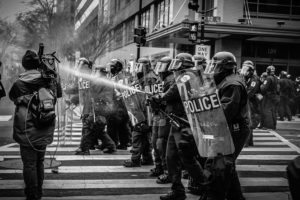
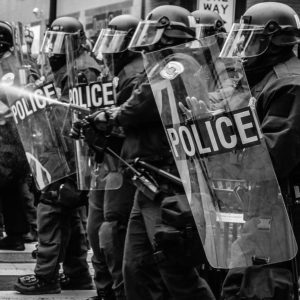
Over the summer, Denver saw weeks of protests in reaction to the death of George Floyd. And, unfortunately, some police brutality. The majority of the protests in Denver centered around the Capitol and while most people came to protest peacefully, violence erupted, and many people were injured or exposed to chemical weapons. It now appears that protesters might not be as blameworthy as had been previously reported. A recent investigation has found that police may have needlessly caused some of the violence.
Police brutality and the Denver Police Department (DPD)
A recent article from Denverite (Police officers acted dangerously and anonymously during protests against police brutality and racism, investigation finds) discusses a recent investigation regarding the DPD’s response to the protests. The investigation found that the police used “unwarranted and reckless violence” and that “a lack of body camera footage and missing or vague documentation amounted to a mismanaged response from the very institution being protested.” There have been instances where the police violated their own polices by not giving orders to the crowds to disperse before using pepper spray, pepper balls, and other weapons — often recklessly. It also found that officers continued to use chemical weapons and explosives after people had started to disperse, and that some of the officers hadn’t been trained to use those weapons.
The investigation and report are from The Office of the Independent Monitor, which is “charged with working to ensure accountability, effectiveness, and transparency in the Denver Police and Sheriff disciplinary processes.” The biggest problem they found regarding the actions taken during the protests was the lack of transparency. Body camera were frequently left off. Video footage was frequently not uploaded, and officers didn’t file use-of-force reports. Many officers failed to identify themselves and/or display their badge numbers. DPD even failed to document which officers was deployed during the first four days of the protest. That makes it difficult to assess blame in the more than 100 complaints received of officer misconduct. But mostly, the report found that the Denver Police Department needs to reform its use of force, body camera practices, and officer use of specific weapons.
Were you a victim of police brutality at the protests?
If you were injured by the unnecessary force of police officers during the protests this summer, we would like to hear your story. Police brutality is illegal and officers do not have the right to violate your constitutional rights. If the police have violated your rights and caused injuries, you may be able to file a claim to recover damages fight to ensure justice is served A civil rights attorney can help you determine whether a civil rights action should be filed.

If you or a loved one are the victims of police brutality or other law enforcement abuses, call the Civil Rights Litigation Group at (720) 515-6165 or use our online contact form. Schedule your free consultation with a Denver civil rights attorney today.
720-515-6165
Additional articles and resources:
Denver police use chemicals to deter people protesting police violence as downtown erupts in chaos
Office of the Independent Monitor
Attorneys hint at massive lawsuit against Denver for police department’s response to summer protests
Additional posts on this topic:
What are my rights if I protest the police?
Police brutality cases in Colorado and your rights
How do I report police brutality in Denver?
Nov 28, 2020 | Police Misconduct, Civil Rights Law, Constitutional Rights
When people think about police misconduct, the first thing that comes to mind is usually police brutality — and that’s understandable considering the vast amount of press coverage from cases like George Floyd this year. But there are many other ways that the police can and have engaged in illegal conduct and have violated people’s civil rights. It is important to understand what they can and can’t do so that you can protect yourself.
Witness tampering and police misconduct
There have been many examples of the police getting caught in bad situations and then attempting to coerce witnesses to change how the evidence looks – for the police and the people police arrest. In Maui in 2015, Anthony Maldonado was accused of stealing $1800 from a person he had stopped. That right there is a crime, but after the victim reported it, Maldonado and several other officers tried to bribe the person to withdraw the complaint. Maldonado eventually pled guilty to witness tampering.
It is absolutely illegal for an officer to attempt use their power or authority as a police officer to attempt to get a witness to change their true testimony to something false or to unduly influence a complaining party to withdraw a complaint. But it happens all the time as officers have power and many people fall victim to their threats.
This type of misconduct can lead to criminal sanctions and even civil rights lawsuits for damages, if the conduct violates a persons’ constitutional rights.
Planting or fabricating evidence
If a case isn’t looking the way an officer thinks it should, they may decide to plant, fabricate, remove, or lie about evidence. One such example involves Richard Pinheiro, an officer in the Baltimore Police Department. His body camera actually caught him tampering with evidence at a crime scene. Unfortunately, fabricating evidence is a misdemeanor in Maryland so even though he was convicted, he is still on the job. Incidents like this also highlight the issue of bad cops being allowed to remain on the job.
Another example involved Michael Slager, an officer in North Charleston who shot and killed Walter Scott and then planted a taser near his body to back up his story that Scott was armed. Slager eventually received a 20-year sentence after a man came forward with a cellphone recording of the incident. Had a passerby not filmed the encounter, Slager likely would have gotten away with his crimes. This is one more example of why you should always record any police encounters you may witness.
This type of misconduct can lead to criminal sanctions if it is revealed, and possibly civil rights lawsuits for damages if the conduct violates a persons’ constitutional rights – such as when the lies/fabrications cause a person to be improperly jailed and/or prosecuted for a crime they didn’t commit.
When does police misconduct violate my civil rights?
While the behaviors mentioned above are definitely illegal, they do not always involve civil rights violations. For example, the most common civil rights violation applicable to manipulating or fabricating evidence is wrongful prosecution. However, in order to make that type of civil rights claim, there are several things you must be able to prove. For example, you must be able to show that the officer caused or continued a criminal prosecution where there was no probable cause to believe that a crime had been committed in the first place. You must also show that the officer created, planted, or lied about evidence that the prosecution relied on to prosecute the case. The criminal case against you must legitimately be terminated in your favor. You also have to be able to prove that the officer did all of this with malice and that it caused some sort of injury.
Reporting this type of misconduct so that appropriate criminal sanctions can be taken against officers is often the first step to getting bad officers removed from the police force. Filing civil rights lawsuits in appropriate circumstances is key to obtaining compensation when your rights have been violated. If you are faced with such circumstances, you want a lawyer that is 100% dedicated to understanding and helping you navigate these types of complexities.
We are here to help with protecting your civil rights
If you have experienced problems with your civil rights being violated by the police, please give us a call. We work diligently to protect civil rights. For a free, no-obligation consultation with the Civil Rights Litigation Group, contact our Denver CO law firm today at (720) 515-6165 or use our online contact form.
Oct 20, 2020 | Uncategorized, Civil Rights Law, Constitutional Rights, Discrimination
When Associate Justice Ruth Bader Ginsberg passed away last month, she left an impressive legal legacy in her fight for civil rights. Throughout her career — both as an attorney and a judge — she fought everyone to have equal protection under the law.

Civil rights and the Supreme court
Before becoming a member of the Supreme Court, she won five cases before them based on the equal protection clause of the 14th Amendment — specifically the section that guarantees all citizens of the U.S “equal protection of the laws.” Early in her career, Ginsberg worked with the ACLU and led their campaign for gender equality, arguing more than 300 gender discrimination cases. Before her, the amendment was primarily used to argue for racial equality, but she successfully used it to fight for gender equality. She carefully chose cases that would highlight the inequality in how men and women were treated. She found success by taking on cases where men were the ones suffering discrimination.
In 1971, she argued in Reed v. Reed that an Idaho law stating that “males must be preferred to females” when determining the administrator of an estate was a direct violation of the 14th Amendment. The reasoning was that men were better at math. The Supreme Court unanimously agreed that the law was wrong.
In 1973, she won Frontiero v. Richardson, where her client was the husband of a female Air Force officer who was denied spousal death benefits because women were not considered the primary economic providers for their families.
Again, in 1975, in Weinberger v. Weisenfeld, she sued for a male client who had been denied Social Security survivor benefits because the agency assumed that men wouldn’t need them because they earned more money that their wives ever did. By arguing that gender discrimination hurts men as well as women, she was able to use the 14th Amendment to gain more equal rights for women. Her wins also discouraged state legislatures from writing any new laws that drew distinctions based on gender.
Using the 14th Amendment for other types of civil rights cases
After Ginsberg used the 14th Amendment to argue non-race-based discrimination cases, it opened the doors for other lawyers to use it civil rights cases for the LGBTQ community. In 1996, it was used in Romer v. Evans to overturn Colorado’s infamous Amendment 2 that prohibited LGBTQ citizens from claiming discrimination.
In 2015, it was used in the landmark Obergefell v. Hodges case that required all states to recognize same-sex marriages that were performed in other states.
Fighting for civil rights on the Supreme Court
Once she was appointed to the Supreme Court, Ginsberg continued her fight for gender equality and civil rights. In United States v. Virginia, she wrote the majority opinion that struck down the admissions policy at the Virginia Military Institute. Once again using the 14th Amendment, she argued that a state-run institution could not use gender as a basis for denying women the opportunity to attend the school.
In addition to gender equality cases, she also wrote opinions about prisoner rights. In Cutter v. Wilkinson, she argued in favor of prisoners’ religious rights. And before she was on the Supreme Court, she would have all her law clerks visit prisons so they better understood what was at stake in the cases they assisted her with.
While not all of her opinions, cases and writings are considered perfectly in line with promoting civil rights, the sum of her life’s work absolutely shows the impact she had in arguing that the law should treat everyone equally. Her actions both as an attorney and a judge will be felt for generations to come.
Additional posts about civil rights and discrimination
Sexist language and subtle discrimination
Dealing with disability discrimination in the workplace
Is there such a thing as pregnancy discrimination in the workplace?
Discrimination in Denver
Your Denver civil rights attorney
If you believe your civil rights have been violated, whether through police misconduct or discrimination, our civil rights attorneys can help you. Call the Civil Rights Litigation Group at 720-515-6165 or use our online contact form. Schedule your free consultation with a Denver discrimination attorney today.
Call us at 720-515-6165
Aug 31, 2020 | Discrimination, Civil Rights Law, Constitutional Rights, Employee Rights
Most people can recognize sexist language as it’s often quite obvious, such as a man referring to a female employee’s looks, saying suggestive things about her, or calling her pet names like “honey” or baby.” But more often than not, it’s the subtle ways people use sexist language that can reveal gender bias or discrimination tendencies.
And while we are specifically referring to women in this post, know that sexist language can apply to both men and transgendered individuals as well.
Sexist language in the White House
Many people would agree that Donald Trump is pretty misogynistic because he has said some very derogatory things about women, especially when it comes to their looks. But it’s the more subtle wording he uses that implies an even deeper bias. He’s never been one to shy away from verbally attacking anyone he perceives as a threat — whether a man or woman — but the ways he chooses to insult people can be revealing.
For instance, while he is famous for using the phrase “nasty woman,” there are many instances where he has also called men nasty. However, he tends to reserve the use of the word “mean” almost exclusively when discussing women. The term often implies how one person treats another person, or that they are ” offensive, selfish, or unaccommodating.” (www.dictionary.com). That definition suggests that the women Trump calls mean make him feel offended or like he isn’t worthy — a feeling that could denote unmanliness if Trump were to use it to describe a man.
Here are two examples of Trump referring to Elizabeth Warren as mean:
“…You got so horrible to people and they said you know she’s, not dumb, but she’s just so damn mean, we can’t vote for her. She’s a mean one. She is mean.” (Rally, Charleston, SC, Feb. 28, 2020)
“… But people don’t like her. She’s a very mean person, and people don’t like her. People don’t want that. They like a person like me, that’s not mean….” (Remarks on corona virus funding, March 6, 2020)
By comparison, when Trump refers to a man as mean, it’s in a complimentary way:
“… We have a man who’s smart as hell, and he is tough, and he is mean and nasty, but he loves this state, and he’s only mean and nasty because he wants to defend you and me, and all of the horrible things that we all go through…” (Rally, Dallas, TX, Oct. 17, 2019)
Sexist language in the workplace
While the obvious sexist language and behaviors are frowned upon and generally avoided in the workplace, it’s the more subtle sexism that seems to be taking over. The problem is that many people still place men and women in certain gender roles and have specific expectations for them. “Communal language is mainly applied to women, and it invokes stereotypical female traits like being supportive, showing warmth, and helping the team. Agentic [authoritative] language is mainly applied to men and is more about getting the job done, taking charge, and being independent.” (https://www.bbc.com) So, while a man who is good at his job might be referred to as confident or a leader, a woman acting the same might be called bossy or abrasive — the implication being that it’s okay for men to act in an authoritative way but not women.

” A 2014 study for Fortune.com by Kieran Snyder examined 248 reviews from 180 people, (105 men and 75 women). The reviews came from 28 different companies, all in the tech sector, and included a range of organizational sizes. One word appeared 17 times in reviews of women, and never in any of the reviews of men: ‘abrasive’. Other words were disproportionately applied to women, including bossy, aggressive, strident, emotional, and irrational. Aggressive did appear in two reviews of men, in the context of them being urged to be more aggressive. Reviews of women only ever used aggression as a criticism. The gender of the person writing the review didn’t affect the results of the study.” (http://sacraparental.com)
Sexist language hidden in compliments
Another subtle way that sexist language can appear is in compliments, but ones that are reserved specifically for one gender. For example, the words “modest,” “vivacious,” and “ladylike” are words that are almost exclusively used to describe women. If she’s modest and ladylike, then she doesn’t exert her sexuality. If she’s vivacious or bubbly, then she’s pleasant to be around and isn’t too abrasive. And while they may sound nice, they all imply that the woman isn’t a threat to the men around her and that she’s valued for how she treats people and acts, as opposed to how good of an employee she is. And while some people may see these subtle compliments as harmless, they can affect not only how women think about themselves in the workplace but also how they are perceived by their superiors, which may limit their advancement potential.
Determining discrimination and sexism in the workplace
Here are some questions to consider whether you are being discriminated against:
- Are there consistent incidents of sexist language being used against you and other women?
- Is there a pattern of bias or discrimination against women consistently being passed over for promotions or job transfers?
- Are complaints of sexism being ignored?
- Have you or others recently reported wrongdoing, but are now being retaliated against? (Fewer work hours, demotion, pay cut, etc.)
- Have you consistently done a good job, but are now receiving disciplinary notices?
These are just some of the ways you may be able to determine if there is discrimination and not a complete list of questions to ask.
____________________________
Your Denver Discrimination Attorney
If you feel that you have been discriminated against in the workplace and believe that sexist language may have played a part, our civil rights attorneys can help you. If you or a loved one has suffered a sexist discrimination violation in your place of employment, call the Civil Rights Litigation Group at 720-515-6165 or use our online contact form. Schedule your free consultation with a Denver discrimination attorney today.
Call us at 720-515-6165