Feb 7, 2018 | Civil Rights Law, Constitutional Rights
A wrongful arrest (also called “false arrest”) can happen to anyone at any time. You may look like someone the police are looking for, you may have been misidentified by someone (intentionally or unintentionally) or just may be in the wrong place at the wrong time. An arrest can be embarrassing, particularly if you’re not guilty. But if it happens, here’s what you need to prove you that should not have been arrested.
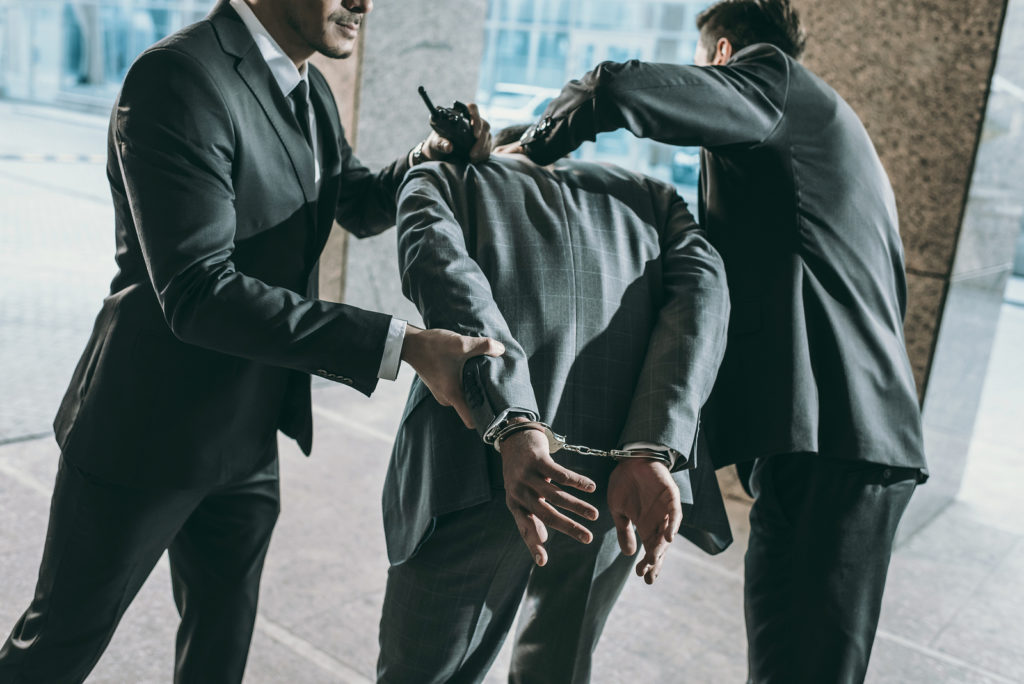
Wrongful arrest is a violation of your Fourth Amendment protections against unlawful search and seizures. Both private citizens and law enforcement personnel can commit a wrongful arrest. You can also sue for damages by way of a civil lawsuit.
First: don’t resist an arrest
Even if you know you’re being wrongfully arrested, resisting arrest is also a crime. It may be legal to resist a wrongful arrest, but you can still be charged. You’ll still have the right to speak to an attorney, and the right to a fair trial to prove your innocence. Always be polite, and never threaten a law enforcement officer or another individual during the arrest process.
Your right to remain silent
Exercise this right, especially in the case of a wrongful arrest. Make sure you ask for and have an attorney available whenever you speak to the police. Don’t wait for them to read you the “Miranda Warning,” since anything you say at the time of arrest can also be used against you. Give no statements until you can speak to an attorney.
Decline any searches without warrants
Police have procedures they must follow when they obtain a search warrant. But if you permit a search without a warrant, your rights may not be respected. The Fourth Amendment protects you from unwarranted searches.
The “Citizen Arrest”
Private citizens can also commit a wrongful arrest by detaining you and not allowing you to leave, violating your Fourth Amendment rights. An example is a private security guard in a retail store detaining you for shoplifting without witnesses or other probable cause. If there is cause, a guard can detail you temporarily until the police arrive to take over. But detaining someone without cause becomes a wrongful arrest or false imprisonment.
The ACLU offers this guide to knowing and understanding your rights when dealing with law enforcement in the state of Colorado.
Proving wrongful arrest in court
You’ll need to make four points in your case:
- The individual in question intentionally confined or arrested you, preventing you from leaving and depriving you of your Fourth Amendment rights. This may be law enforcement or a private individual, such as a store manager or supervisor.
- That the plaintiff (you) was conscious of the confinement and understood that you were being confined, arrested and prevented from leaving.
- That the plaintiff (you) did not consent to being confined, and the arrest/confinement was done anyway.
- If the arrest was “privileged” or legally justified. This is usually when a warrant, court order, or probable cause is involved and can justify an otherwise wrongful arrest. While a warrant and a court order can make an arrest justified, probable cause is less clear and can prove that an arrest was, indeed, wrongful.
Probable Cause allows a police officer to make an arrest on someone if he or she has sufficient reason to believe at the time of the arrest that the individual has or intends to commit a crime. It does not matter if the individual is guilty of a crime — that’s addressed in court. Should an individual claim probable cause, they can use it as a defense for wrongful arrest.
Call us — we’ll fight for your rights
Wrongful arrests can happen to anyone, anytime. If you’ve been wrongfully arrested, or your civil rights have otherwise been violated, an experienced civil rights attorney will fight for your rights. Call the Civil Rights Litigation Group at (720) 515-6165. Schedule your free consultation with us today. We’ll defend you against wrongful arrests and other overreaching actions by police, and help you clear your name.
Oct 3, 2017 | Civil Rights Law, Police Misconduct
Situation #1:
A police officer has just taken you into custody. You haven’t done anything wrong, but he or she is reading your Miranda rights to you while putting you in handcuffs. Has the officer explained the charges? Do they have probable cause for arrest or is it wrongful arrest? What evidence do they have to hold you?
Situation #2:
 You’re in a shop, or somewhere out in public, and suddenly you’re not free to leave. Someone shouts, “citizens’ arrest!” Maybe there is more than one individual restricting you from leaving. You’ve done nothing wrong, but now you’ve found yourself in an arrest situation, and the police are on their way.
This scenario is typically seen in retail shops where an owner or employee believes that someone has been shoplifting. A citizen can only hold an individual until the police arrive, or to give them an opportunity to recover stolen merchandise from a suspected thief. But again, you know you’ve done nothing wrong and haven’t stolen anything.
What is a wrongful arrest?
Wrongful arrest, also called false arrest, means unlawfully confining an individual against their will by someone who does not have legal authority to do so. If there is no legal cause to hold an individual, such as a warrant for their arrest, suspicion or probable cause, the arrest can be called wrongful if they are not free to leave. While this isn’t hard-and-fast law, it covers a broad range of improper confinements.
Wrongful arrest or false arrest is an intentional tort, and is a civil rights violation. That is, the individual committing the arrest willfully intended to deprive someone of their Fourth Amendment rights, which protects you from illegal searches and seizures. While the police do make mistakes, it may be up to you as the defendant to prove that you were wronged and clear your name in court.
What next?
Wrongful arrests happen, even under the best of conditions, and will catch you unaware. Don’t let it ruin your life. What you do next can determine the final outcome, good or bad. In this situation, you should:
- Don’t resist the arrest, particularly one involving a police officer. Resisting an unlawful or wrongful arrest isn’t a good idea, even though it is legal in some places. You can still be charged with resisting arrest, even if you can prove later that the original arrest was unlawful.
- Find a civil rights attorney. Now. The sooner you get legal representation, the faster you can clear your name. He or she can help you avoid mistakes made under difficult, confusing conditions.
- Exercise your right to remain silent. An attorney should be present anytime you speak to authorities. He or she will ensure that you have proper representation, treated fairly, your rights are respected, and guide you through the process.
- Politely decline any searches that don’t come with a warrant. The police are required to follow a set of rules with a warranted search, but without one, there may not be rules.
- Keep track of all correspondence and conversations. Phone calls, emails, letters and other interactions may lead to evidence that proves your innocence.
- Pursue legal action for compensation. Your attorney can advise you on filing a civil rights lawsuit to compensate you for physical pain, mental anguish and embarrassment.
A civil rights attorney can help
A wrongful arrest brands you a criminal, and has far-reaching effects that can damage your good name. An experienced civil rights attorney can examine the facts of your case, determine if you have one, and advise you on the next steps. He or she can determine if you have a good case for wrongful arrest, and what it will take to bring disciplinary action, if the police are involved, or a civil rights lawsuit against individuals.
If you believe you’ve been wrongfully arrested, or that your civil rights have been violated, call the Civil Rights Litigation Group at (720) 515-6165. Schedule your free consultation with us today. We’ll help you fight back and help you clear your name.
Aug 5, 2017 | Civil Rights Law
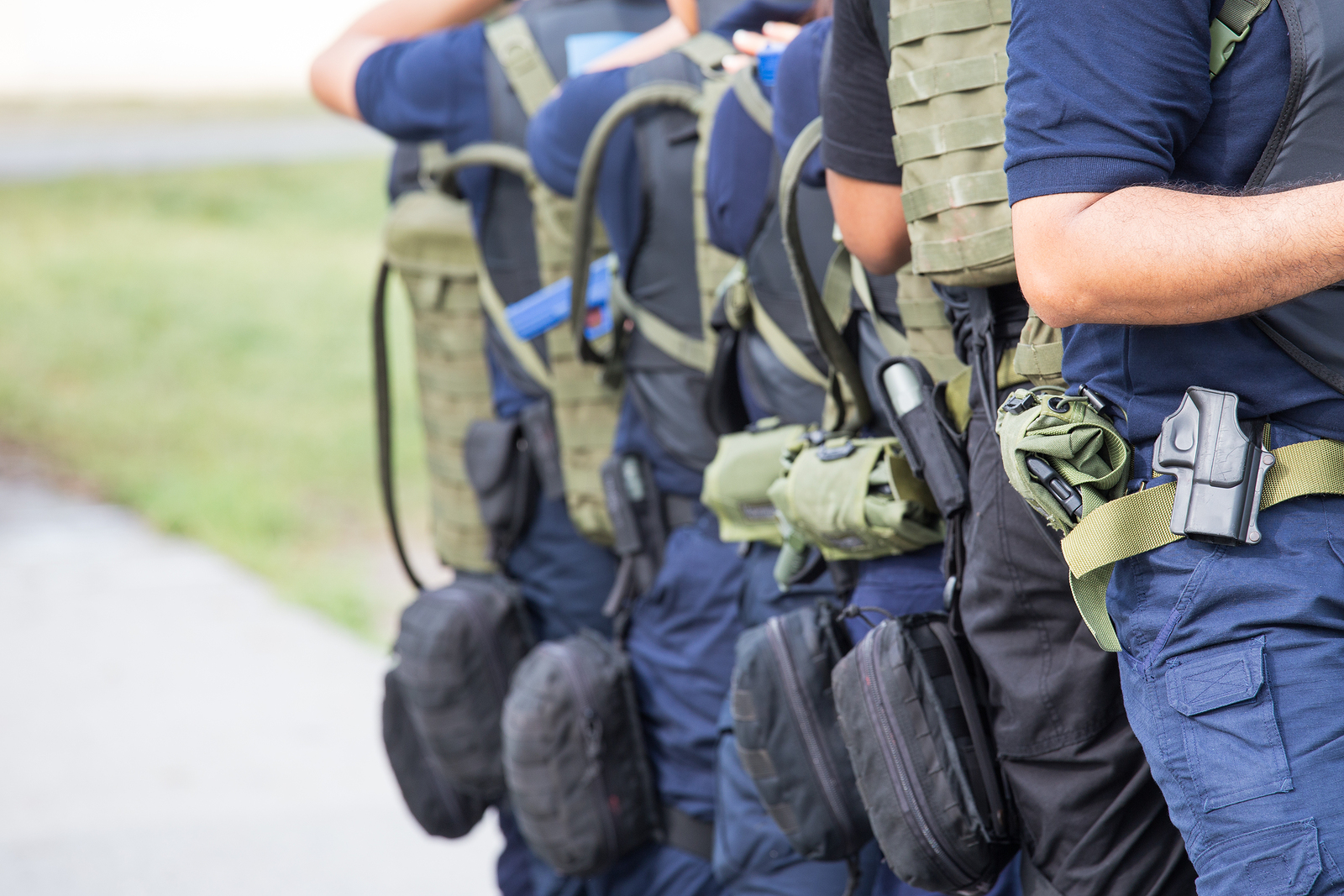
TASER is the brand name of a CEW (conducted electrical weapon) frequently used by law enforcement officers. They were adopted by law enforcement as a non-lethal way to stop suspects who might otherwise have been shot with a firearm. Police often use a TASER to stop a suspect who is not an immediate danger to them or to public safety, or to stop someone who may cause harm to themselves. However, using a TASER can be both a good and bad solution as an alternative to firing a weapon. Worldwide, the TASER is used by over 15,000 law enforcement agencies in 40 countries. Although the TASER is considered to be a non-lethal weapon, it is somewhat controversial. Deaths have also been associated with their use.
What is excessive force?
Excessive force, a violation under the Fourth Amendment, means that a law enforcement officer used physical force beyond what was necessary at the time to stop an immediate threat, or to subdue and/or arrest an individual. The excessive force could have potentially caused serious injury. Laws governing the use of excessive force vary from state to state, and there is no federal definition of excessive force. The court and the jury have to examine all evidence and claims under 42 U.S.C. Section 1983 of the Civil Rights Act of 1871 to decide if a police officer was justified in using excessive force. An excessive force case against the police would be a civil suit, not criminal, and is known as a Section 1983 suit.
Justification for using a TASER
Police have to make a split-second decision on which weapon to draw, and pulling out a TASER is at the officer’s discretion. They’re usually used if the officer needs to stop someone, but deadly force isn’t warranted. If you want to pursue a case against the police, you’ll need an experienced civil rights lawyer who can help explain your options.
Courts consider excessive force cases with a TASER using:
• Severity of the crime that the individual is being arrested for
• If the individual is a threat to the officers or to the general public
• If the individual attempts escape or resists arrest
When is using a TASER considered excessive force?
TASERS are frequently used when an individual is resisting arrest, or the police officers believe there is an immediate and severe threat from the individual. However, someone who did not pose a serious threat when arrested and was found to receive excessive force can also sue the police officer, police department and municipalities for their injuries. If you were subjected to physical force that could have caused your injuries, such as the use of a TASER, contact a civil rights attorney immediately to examine your case.
In the case of Powell v. Haddock, 366 Fed.Appx. 29 (11th Cir. 2010), the police were found to have used excessive force which included using a TASER. The individual complied with the officer’s instructions, was not a threat to the officers or to public safety, backed away from the officer before the first application of the TASER and was on the ground for the second.
In deciding excessive force cases, courts also take into consideration:
• The extent of injuries
• If officers identified themselves as police
• If the officers informed the accused that they would use a TASER if he or she did not comply with instructions
Qualified immunity
Courts tend to uphold the use of a TASER when an individual is actively resisting, or if an individual was posing an immediate threat or safety risk, called qualified immunity. Police officers are given a wide range of protection when it comes to the use of force. Excessive force cases are not always cut and dried—there may be extenuating circumstances which warrant the use of a TASER. However, courts generally don’t sanction officers who use a TASER on someone who is unconscious, already subdued and/or handcuffed and wasn’t resisting.
Excessive force by a police officer is a civil rights violation
Where do you start? Evidence is vital to proving a case of excessive force. Our attorneys specialize in civil rights cases. We’ll review and start your case to defend your rights. If you’ve been the victim of police abuse with a TASER, contact the Civil Rights Litigation Group at (720) 515-6165 in Denver today for a free consultation.
For a free, no-obligation consultation with our Denver law firm, call us today at (720) 515-6165.
May 22, 2017 | Civil Rights Law
We rely on the police for safety, but we also rely on the police to treat us fairly, regardless of race, color, national origin, sex, disability, and so on. In order to provide safety, Colorado police officers have broad powers to carry out their duties; however, there are robust Constitutional laws and other laws that place limits on this power and protect our civil rights.
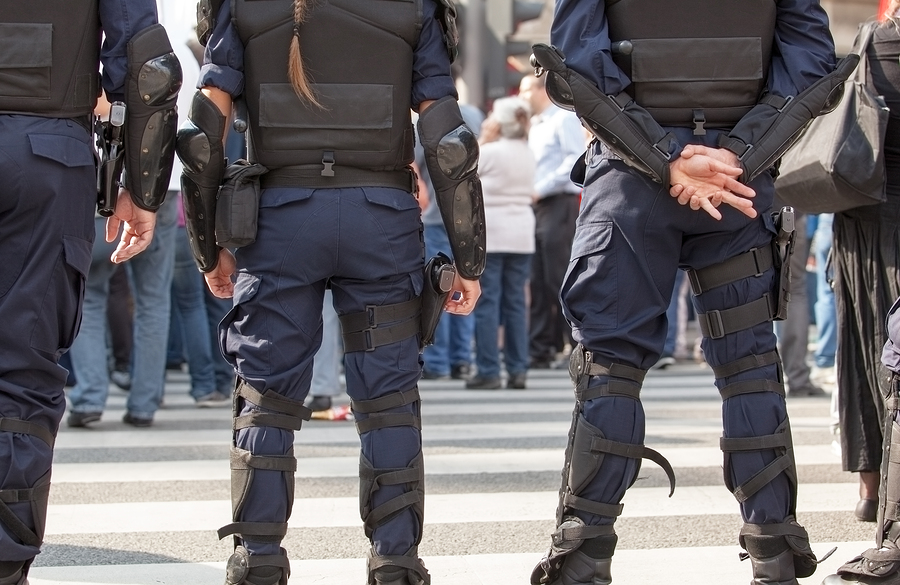
When police go too far, violating the civil rights of individuals in Colorado, the victim of the misconduct may have legal options. The first step in seeking justice and holding the responsible individual(s) accountable for their misconduct is to consult with a highly experienced Denver civil rights lawyer. At the Civil Rights Litigation Group, a civil rights law firm right here in Denver, we fully understand the complexity and the difficulty of these cases, as holding law enforcement accountable for misconduct, brutality, and excessive force requires a thorough knowledge of law as well as diligence.
Basics of police misconduct and qualified immunity
When stopped by the police for a suspected crime, it’s definitely an unsettling experience. Nevertheless, if the police officer is simply performing their job and not violating your civil rights, then the police officer is virtually immune from a civil rights lawsuit. Things like negligence and failing to exercise due care are, usually, insufficient for a lawsuit.
This is known as qualified immunity, and when bringing a police misconduct lawsuit to courts, the defense representing the law enforcement officer(s) will most likely raise a defense of qualified immunity. The short version of this legal doctrine is that it protects government officials (including police officers and law enforcement) “insofar as their conduct does not violate clearly established statutory or constitutional rights of which a reasonable person would have known.” In other words, you may have a lawsuit only when willful police conduct violates an existing statute and/or your Constitutional rights.
Federal statute for police misconduct and excessive force
Protections against police misconduct are thoroughly detailed in federal law, Title 42 Section 1983. According to this statute, it is unlawful for anyone acting under the authority of state law (in this instance, Colorado law) to deprive another person of his or her civil rights under the Constitution or federal law.
Your civil rights in a police misconduct case
In addition to Section 1983 and the claim you can bring to federal courts, it’s equally important to know your Constitutional and civil rights. Understanding these rights will be essential in a police misconduct case because, right from the beginning, you’ll be arrested and processed in Colorado’s criminal justice system. Some of the rights you should know include:
- Right to remain silent
- Right to refuse to consent to a search of yourself, your car, or your home
- If you are not under arrest, you have the right to calmly leave
- If you are arrest, you have the right to a lawyer
When arrested, make sure to remain calm and polite, don’t interfere or obstruct the police, and don’t lie or give false documents. Furthermore, it’s especially important to assert your right to remain silent. DON’T immediately start yelling how you’re going to sue; in fact, if the law enforcement is afraid of a misconduct lawsuit, he/she may begin covering up the incident immediately, documenting everything that would be beneficial to their defense.
In other words, if you’re arrested or the police have violated your civil rights or another statute, it’s important to politely assert your right to remain silent and contact a civil rights lawyer immediately.
Common types of police misconduct in Colorado
There are many ways that police can violate your rights, and in recent years, many cases of police misconduct, wrongful death, and excessive force have made their way to the limelight. The most common police misconduct claims brought to courts under Section 1983 include:
-
 False arrest (false imprisonment) — The police violated your Fourth Amendment right against unreasonable search and seizure, but in order to have a “successful” case, you must show that the police didn’t have reasonable cause at the time.
-
Malicious prosecution — The police violated your Fourteenth Amendment right to liberty. For these types of claims, you’ll need to show that 1) the police officer commenced a criminal proceeding, 2) the proceeding ended in your favor (not-guilty or dropped charges), 3) the police officer didn’t have probable cause, and 4) the criminal proceedings were brought with malice.
-
Use of excessive or unreasonable force — These cases often involve serious physical injury or death. Whether or not the police officer’s force was reasonable or unreasonable depends on the unique facts and circumstances of the instance.
- Failure to intervene — If an officer witnesses another officer violating your rights, and that first officer doesn’t do anything to help, then that officer may be complicit in the police misconduct case.
Fight for justice with the civil Rights Litigation Group in Denver
Civil rights claims are essential in our justice system, especially when upholding Colorado and Denver police officers to the law. Nevertheless, even if you felt that you were mistreated, the relevant police officers may be immune from a lawsuit. Police officers enjoy a wide range of protections. As a result, evidence supporting your claim will be absolutely fundamental, and if you were the victim of police misconduct, you need to contact a Denver civil rights attorney immediately so that valuable evidence does not disappear.
Contact the Civil Rights Litigation Group in Denver today for a free consultation. Don’t let the police get away with stark violations of your rights, and call our civil rights law firm today at (720) 515-6165.
Mar 28, 2017 | Civil Rights Law
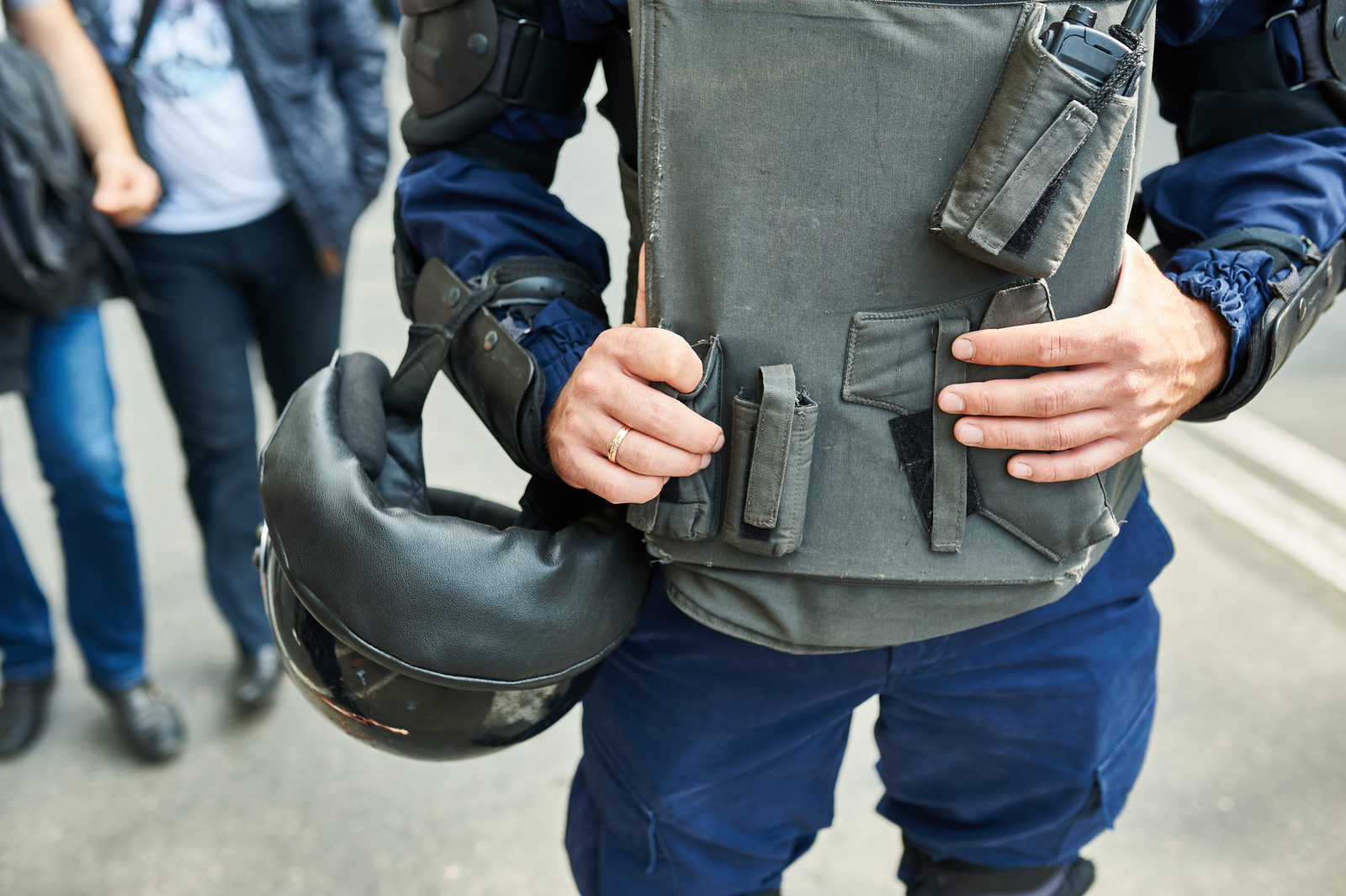 Denver has a long history of police brutality, and although the State of Colorado has made substantial strides in improving trust between police and civilians, there are still police misconduct cases in Colorado. In fact, just last year, Denverites were marching down the 16th Street Mall to protest police-related violence.
If you were the victim or you suspect that you were the victim of police brutality, it can be helpful to look at the past cases in Colorado and gain a deeper understanding of the federal law and what you can do about it.
Nevertheless, U.S. federal law protects all persons in the United States (yes, all persons, including citizens and non-citizens) from police brutality, and if you were a victim, you can hold the responsible individual(s) accountable by calling Denver CO attorney Raymond K. Bryant of the Civil Rights Litigation Group. For a free consultation regarding your police brutality case, call us today at (720) 515-6165.
Federal laws regarding police brutality
Federal laws addressing police misconduct include both criminal and civil statutes, meaning that, in theory, police officers who violate the law can be liable for criminal charges as well as civil charges. For instance, in a recent case right here in Denver, jurors in Denver awarded $400,000 to a blind man who claimed police brutality after he had his head slammed onto a counter by a police officer.
Under the federal laws 18 U.S.C. § 241, § 242, it is a crime for “one or more persons acting under color of law willfully to deprive or conspire to deprive another person of any right protected by the Constitution or laws of the United States.” A law enforcement officer acts “under color of law” if he/she is exceeding their rightful power. Misconduct under this law, therefore, includes excessive force, sexual assault, intentional false arrests, or the intentional fabrication of evidence resulting in a loss of liberty to another.
Furthermore, the “police misconduct provision” (42 U.S. Code § 14141) states that it is “unlawful for any governmental authority, or any agent thereof, or any person acting on behalf of a governmental authority, to engage in a pattern or practice of conduct by law enforcement officers…that deprives persons of rights, privileges, or immunities secured or protected by the Constitution or laws of the United States.” Under this law, it is illegal for police officers to engage in excessive force, discriminatory harassment, false arrests, coercive sexual conduct, and unlawful stops, searches or arrests. However, in order for a police officer to violate 42 U.S. Code § 14141, the misconduct must constitute a pattern or practice and it may not simply be an isolated incident.
Civil action for police misconduct and brutality
In the above section, we mentioned a few federal laws, and although these laws make police misconduct and brutality a criminal affair, it’s still important to consider the federal laws that allow Colorado residents to take civil action. The main provision in this respect is 42 U.S. Code § 1983 – Civil action for deprivation of rights. Similar to the criminal provisions, this law explicitly states that any person who causes deprivation of any rights shall be liable to the party injured in an action at law, suit in equity, or other proper proceeding for redress.
Police brutality cases in Colorado
There have been many cases in Colorado, and between 2009 and 2011, police brutality in Colorado reached such an apex that the city was the sixth worst city in the U.S. for police misconduct and brutality (source: the Cato Institute’s police misconduct reporting project). Even today, Colorado holds a dismal law enforcement conviction rate in cases of police brutality (around 19%). The Denver DA’s office has not prosecuted a police officer in an on-duty shooting since 1993. Here are some other statistics illuminating the police brutality problem in Colorado:
- In 2015, two Denver officers fired at a stolen car being driven by 17-year-old Jessica Hernandez, who was unarmed.
- In 2015, 13 people were shot by police in Denver. Seven people died in the shootings, including 6 who were shot in a confrontation with police officers and a 7th who died in custody at the Downtown Detention Center (this has been ruled a homicide and remains under investigation by Denver police).
- In 2013, inmate Isaiah Moreno, who was acting suicidally in solitary confinement, was attacked by guards with tasers. Denver’s Internal Affairs Bureau ruled that excessive force was used.
- In 2013, the city paid $360,000 to four women who were roughed up by police at the Denver Diner.
- In 2012, Patricia Lucero was bloodied by two Denver officers. In 2015, the Denver City Council approved a $50,000 payment to settle the case.
- In 2011, inmate Jamal Hunter was tortured by other inmates in a brutal attack that Hunter claims was facilitated by a Deputy. The Denver City Council approved a $3.25 million settlement.
- In 2011, Alex Landau, an African-American whom police pulled from a car and beat after he made an illegal left turn, won a $795,000 settlement.
- In 2010, Marvin Booker died while being restrained in Denver Jail. Denver was ordered to pay $6 million in the settlement.
Protect your rights and call the Civil Rights Litigation Group
The City of Denver has spent about $20 million in settlements or jury awards over the past 10 years regarding police misconduct and brutality cases. Furthermore, every year, new cases pop up, and even though the state is taking active measures to reduce excessive force cases, it’s critical to ensure that victims and their families receive justice.
If you suspect that you (or a loved one) was the victim of police brutality, make sure to not hesitate and contact Denver civil rights attorney Raymond Bryant. Call the Civil Rights Litigation Group in Denver today at (720) 515-6165 for a free consultation.
Feb 10, 2017 | Civil Rights Law
One of the bedrocks of America is, at least in theory, the right of political and social freedom. This idea, that American citizens have unalienable rights, revolutionized the American experience, bringing millions of immigrants from all over the world to participate in opportunities that were previously unavailable. Unfortunately, even today, many Americans and Colorado residents have their basic constitutional rights infringed upon.
 If you have had your rights violated, whether you’ve been discriminated against in the workplace or you’ve been abused by law enforcement, among other civil rights, you need to contact us. At the Civil Rights Litigation Group, we are one of Denver’s leading voices for victims of civil and constitutional rights abuses, and we have the tools and legal know-how to get your case to courts, litigate vigorously, and seek compensation for damages incurred.
Understanding constitutional rights in Colorado
Civil, or constitutional rights in the United States (and Colorado) are the rights of individuals to receive equal treatment from unfair practices and discrimination. There are many laws aimed at protected certain individuals. The most famous protection is the Civil Rights Act of 1964, which was a landmark civil rights and labor law that outlawed discrimination based on race, color, religion, sex, or national origin. In Colorado, the Colorado Civil Rights law also prohibits discrimination on the basis of sexual orientation and marriage to a coworker. According to both federal and state laws, discrimination is illegal when it’s based on:
Elements of a civil rights case
You may have a case when another individual has discriminated against you in a protected setting, such as in an education setting, housing setting, or employment setting. For instance, if an employer has made a hiring/firing or employment decision based on the above-mentioned protections, you may certainly have a discrimination case.
Furthermore, civil rights abuses can occur in the following ways:
What you should do if you have a case
If you were the victim of a civil rights abuse, whether that was discrimination in the workplace, Constitutional Rights abuses, or police brutality, the first step is to contact an experienced attorney in Colorado. With in-depth knowledge of Colorado and federal civil rights laws, as well as experience representing individuals just like you in courts, an attorney can help you combat the abuse, seek justice, and possibly recover compensation for damages incurred.
Before starting a discrimination case, it’s important to note that you must file employment discrimination claims within six months of the alleged act; the deadline is one year for housing claims and 60 days for public accommodations claims. In many cases, your abuse claim will begin with filing an intake packet, which is reviewed by the Colorado Civil Rights Division.
Contact the Civil Rights Litigation Group today
No matter the circumstances, if you have had your rights violated, you need to take action and contact an attorney. Remaining silent solely promotes further discriminatory acts or abuses in the future; as such, filing a lawsuit can help you seek justice while preventing further abuses in the future.
There are deadlines to filing a civil rights claim, so don’t hesitate and contact Denver civil rights attorney Raymond K. Bryant at the Civil Rights Litigation Group today. For a free consultation, call us at 720-515-6165.