





Denver police misconduct and “good shootings” vs “bad shootings”

The terms “good shooting” and “bad shooting” are in quotes for a reason — there are rarely “good shootings.” Even in some extreme circumstances, shooting to injure or kill should be a last-resort option when you feel threatened or that your life is in danger. From a police officer’s point of view, however, there is a difference between a justified, legal use of force and committing murder or, at the very least, manslaughter. These days, the police shootings against unarmed African Americans has spawned widespread criticism across the United States, such as the Black Lives Matter movement. Police misconduct is a serious issue.
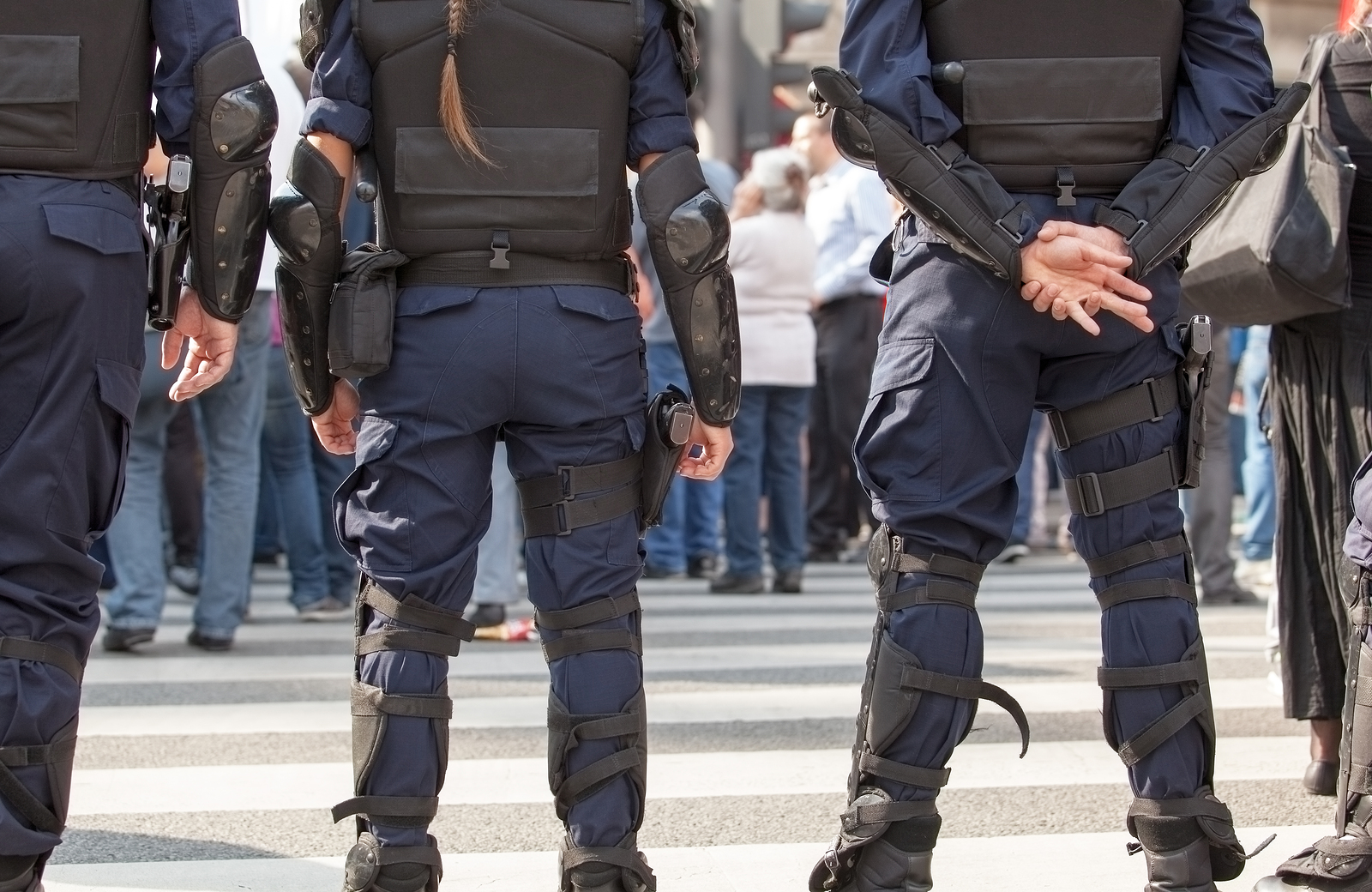
Denver CO Police Misconduct Attorney - Good and Bad Shootings

As a Denver civil rights and police misconduct attorney, it can be clear (in most cases) whether or not the police used force responsibly and legally, or if the police officer was too trigger happy and led to someone’s death. Nevertheless, many Colorado residents are unaware of some of the subtle and more nuanced legal definitions that separate “good” and “bad” shootings. In this post, we’ll attempt to clear up some of these misunderstandings. In the meantime, if you or a loved one was shot by police, you shouldn’t hesitate; call the Civil Rights Litigation Group in Denver CO today at 720-515-6165.

Colorado police misconduct and the use of deadly force

Colorado police officers have several options when dealing with a potentially deadly, or even dangerous, suspect, and whether the police officer goes for the TASER or their gun often depends on the officer’s intuition during these split-second decisions, even more so than any standard protocol. Nevertheless, the rise of unjustified police shootings shows that “intuition” can lead to wrong decisions, resulting in police misconduct and an individual’s death.

Colorado law authorizes police officers to use force in specific situations, such as to carry out an arrest or prevent a suspect from escaping. Police can also use force to defend themselves or another person from the use or imminent use of force. The degree of force, however, depends on the unique circumstances of the situation, whereas deadly force may be justified when it is met with deadly force. For instance, deadly force may be justified when a suspect is committing a felony that involved the use or threatened use of a deadly weapon.

Deadly force, in virtually all cases, is not justifiable when the suspect is committing a misdemeanor. Colorado law makes it a crime for a police officer to use excessive force, which occurs when a police officer continues applying physical force even though the suspect is unable to resist arrest.

Deadly force and a fleeing suspect

When a suspect is running away, that suspect is less likely to pose a threat, and a Colorado police officer is only justified shooting a fleeing suspect in very specific circumstances. For instance, the 1985 Supreme Court case Tennessee v. Garner better defined the so-called Fleeing Felon Rule. According to the ruling, officers cannot shoot unarmed, non-dangerous suspects out of concern that they may escape. Police may shoot the suspect if the police believe that the suspect will cause serious injury or death to the officer, other officers, or the public, if not apprehended.

It is always important to remember that Colorado law recognizes that police are sometimes put in potentially dangerous situations; for this reason, case law states that the police officer may judge whether or not the use of force was reasonable and necessary, and not the facts and circumstances of the situation, which may come to light later with perfect hindsight. Police misconduct is not always cut and dried.

Fight police misconduct with attorney Raymond Bryant

Whether a person is dangerous, and how dangerous that person is, is rarely easy to determine. Nevertheless, there are many laws in Colorado that differentiate a “good” shooting from a “bad” shooting. If you believe that a friend or a loved one was shot due to excessive force exhibited by the police, it’s essential to act as soon as possible and call Denver civil rights attorney Raymond Bryant. At the Civil Rights Litigation Group, we have the resources, experience, and legal insight to take on police officers when police misconduct has occurred. For a free, no-obligation consultation with an experienced civil rights attorney, call our Denver law office today at 720-515-6165.
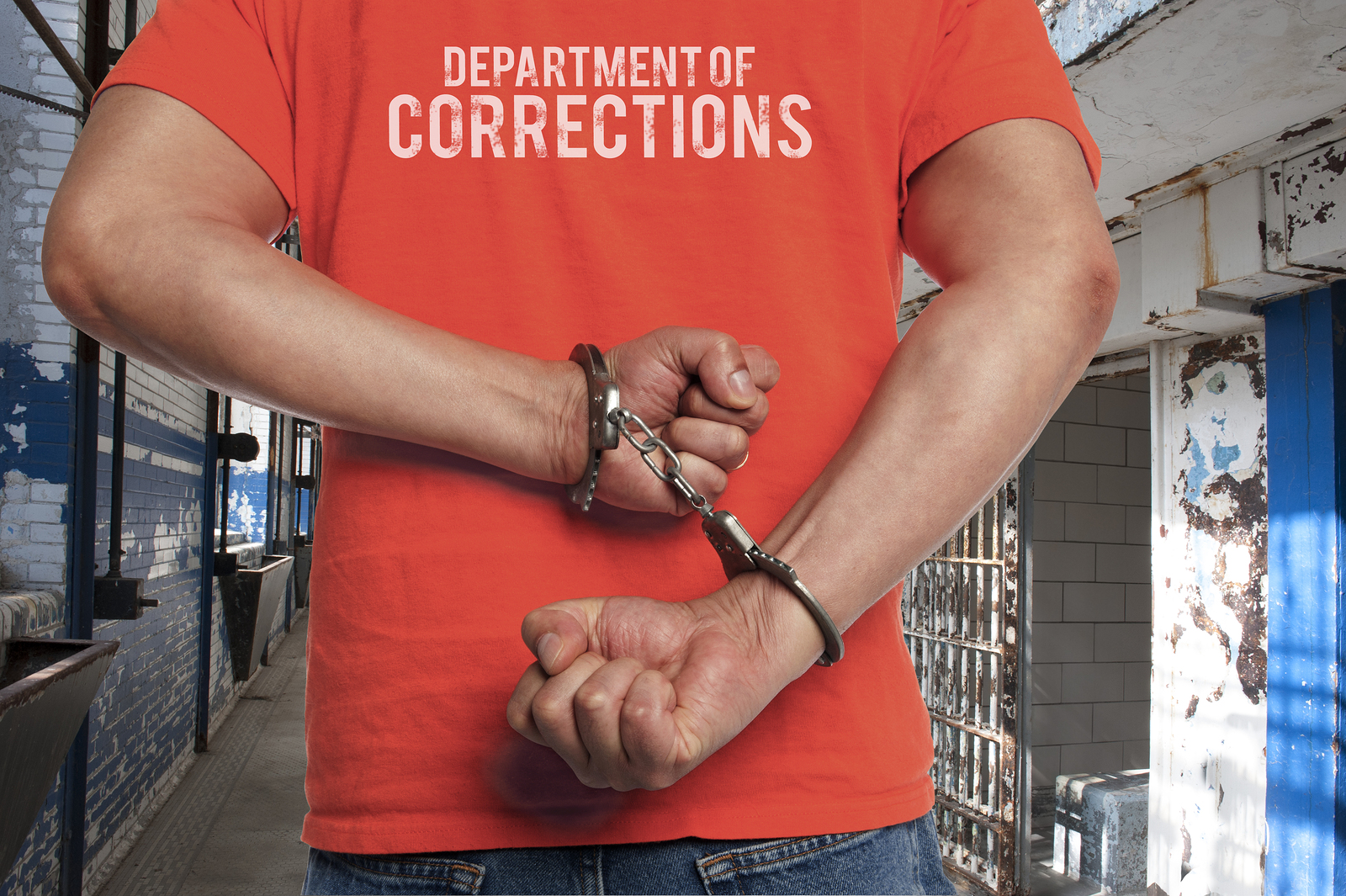

Yes, Denver inmates do have constitutional rights (but not all of them)

In Denver, and throughout Colorado, going to prison means forfeiting several rights. However, this doesn’t mean that Colorado inmates lacks basic human and Constitutional Rights. For instance, the U.S. Constitution protects prisoners from sexual abuse, cruel and unusual punishments, discrimination, and other types of abuse. The Constitution also states that prisoners have the right to complain about prison conditions, to access necessary medical and mental health care, and to ask for reasonable accommodations under the Americans with Disabilities Act.

Yes – Denver Inmates Do Have Constitutional Rights (But Not All Of Them)

Unfortunately, Denver inmates have been subject to abuse and rights violations before, and it’s essential to have a competent and experienced Denver civil rights attorney to stand by their side and hold responsible individuals accountable for their actions. If you or a loved one was a victim of rights violations in Colorado prisons or jails, call the Civil Rights Litigation Group today at 720-515-6165.

What rights do Colorado inmates have?

Historically speaking, prisoners were sometimes treated with as little dignity as possible, whereas some prisons turned a blind eye to abuse and extreme violence, sexual abuse and rape, forced labor, and so on. Even today, horror stories will occasionally come out of our nation’s prisons, illustrating institutionalized abuse and rights violations. The U.S. Constitution seeks to provide a humane way of imprisonment, and most prisoner’s rights laws relate to fundamental human rights and civil liberties.

Below, we’ve listed some of the most common Constitutional Rights that Denver inmates have:

  • Cruel and unusual punishment — The Eighth Amendment prohibits cruel and unusual punishment, but the Amendment doesn’t specify exactly what cruel and unusual punishment entails. Generally, a cruel or unusual punishment involves abuse or torture, or anything violating a person’s dignity within discretion of the court.
  • Sexual harassment and abuse — All Colorado inmates have the right to be free from sexual abuse and harassment from both prison personnel and inmates.
  • Voice complaints about prison conditions — All prisoners have the right complain about prison conditions and voice their concerns to courts/
  • Disabled Prisoners — Disabled prisoners are entitled to reasonable accommodations under the Americans with Disabilities Act of 1990.
  • Discrimination — Inmates have the right to be free of discrimination while imprisoned.
  • First Amendment Rights — Inmates can exercise their First Amendment right, such as freedom of speech and religion.
  • Medical and Mental Health Attention — When necessary, Colorado inmates are entitled to adequate medical care and mental health treatment.

What rights do Colorado inmates lose?

Although prisoners are entitled to a certain degree of Constitutional Rights, they still have strict limitations. Even prisoners’ First Amendment rights, and the exercise of those rights, cannot interfere with their status as inmates. Furthermore, inmates don’t typically have a right to privacy, and they can be subject to reasonable searches and seizures. Prisoners do retain Due Process rights, and prison staff cannot deliberately deprive them of their property; however, this doesn’t apply to contraband. Furthermore, prisoners are not often subject to minimum wage laws.

What to do if your inmate rights are violated

If you or a loved one is in prison and has suffered Constitutional Rights violations, it’s essential to speak with an experienced and knowledgeable civil rights attorney as soon as possible. Due to the “us vs. them” mentality between prison personnel and inmates in some Colorado prisons, these cases need the utmost care, professionalism, and timeliness. If facing abuse, a prisoner can bring up a lawsuit to protect their rights, obtain compensation for their injuries, and seek justice for the abuse and rights violations.

Contact the Civil Rights Litigation Group today

At the Civil Rights Litigation Group, we’ve remained diligent advocates for inmates’ rights for years. We take claims of prisoner abuse very seriously, and we provide vigorous and relentless representation for our clients. To speak with attorney Raymond K. Bryant about your case, call the Civil Rights Litigation Group in Denver today at (720) 515-6165.

Call Us

720-515-6165

Fax: 720-465-1975

Contact Us

Address

Civil Rights Litigation Group

1543 Champa St., Suite #400

Denver, CO 80202